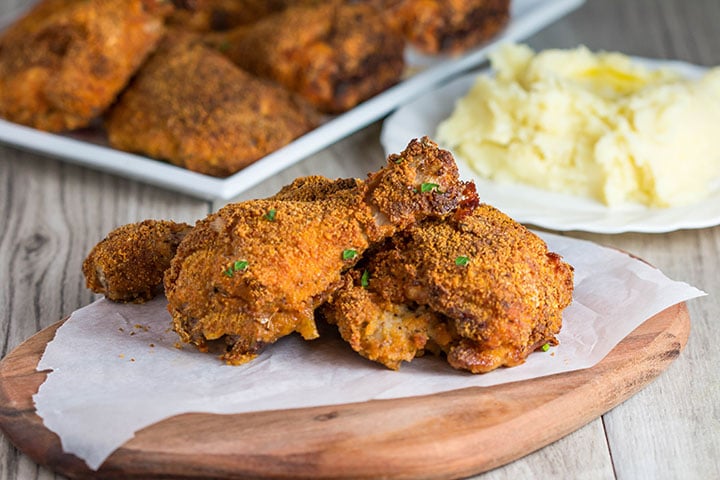
Get Crispy Oven Fried Chicken: The Minimal Oil Secret
Craving that satisfying crunch of fried chicken but want to skip the guilt and the greasy mess of deep-frying? You're not alone! Many home cooks yearn for a healthier alternative that doesn't compromise on flavor or texture. The good news is, achieving truly crispy, flavorful low fat oven fried chicken is not just a dream – it's an easily attainable reality. Forget about oil-soaked takeout and endless cleanup; with a few clever techniques, your oven can deliver a "fried" chicken experience that rivals the traditional version, all while using minimal oil.
This comprehensive guide will unlock the secrets to perfect oven-fried chicken, ensuring every bite is golden, crunchy, and packed with savory deliciousness, all without the excess fat. We'll delve into the science behind the crisp, the art of seasoning, and the simple steps to transform your chicken from ordinary to extraordinary.
The Magic Behind Truly Crispy, Low-Fat Oven Fried Chicken
The concept of "fried" chicken cooked in an oven might seem contradictory, but it's a culinary marvel that has revolutionized how we enjoy this classic comfort food. The key lies in understanding how to replicate the effects of deep-frying – a super-hot cooking environment that rapidly crisps the exterior – within the confines of your oven, and with significantly less oil.
The primary secret to achieving that irresistible crunch with minimal oil is preheating your baking sheet and oil together. This isn't just a minor step; it's a game-changer. When you place your breaded chicken onto an already scorching hot, lightly oiled surface, it immediately begins to sear, forming a golden crust almost instantly. This rapid browning mimics the effect of a deep fryer, preventing the chicken from sitting in oil and becoming soggy. Instead, you get an immediate crisp that locks in moisture and flavor.
For this technique, a sturdy metal baking sheet is crucial. Glass or ceramic pans, while versatile, can be prone to thermal shock when cold ingredients hit a very hot surface, potentially leading to breakage. Safety and perfect crispiness go hand-in-hand here! This smart method drastically cuts down on the amount of oil needed – often just a tablespoon or two for an entire batch – making it a truly low fat oven fried chicken option without sacrificing that desired crunch.
To explore more healthy chicken options, check out our articles on Low-Fat Oven Fried Chicken: Healthy, Crispy & Delicious and Ditch the Deep Fryer: Crispy, Low-Fat Baked Chicken.
Mastering the Breading: Flavors and Techniques
The breading is where the flavor party truly begins. While the core ingredients remain simple, there's ample room for customization and enhancement to suit your palate. The goal is a robust, flavorful coating that adheres well and crisps up beautifully.
Crafting Your Seasoned Breading
A classic breading often starts with plain breadcrumbs (or Panko for an even crispier texture!) seasoned with a blend of herbs and spices. Common additions include:
- Garlic Powder: For an aromatic depth.
- Paprika: Adds color and a mild, sweet peppery note. Smoked paprika can add an extra dimension.
- Oregano: Earthy and herbaceous, a staple in many cuisines.
- Parmesan Cheese: Contributes a savory, umami richness and can help with browning.
- Salt and Pepper: Essential for seasoning.
- Chili Powder: For a hint of warmth and spice.
- Baking Powder: A secret weapon! A small amount of baking powder in your dry mix creates tiny air bubbles during cooking, resulting in an even crispier, lighter coating.
Feel free to experiment with other spices like onion powder, thyme, sage, or a pinch of cayenne pepper for a kick. While buying pre-seasoned breadcrumbs is a convenient shortcut, mixing your own allows for complete control over the flavor profile and sodium content.
The Double-Dipped Method for Maximum Crunch
The secret to a thick, clingy, and ultimately crispy coating lies in the "double-dipping" method. This involves two stages:
- The Wet Dredge: Buttermilk and Egg. A combination of buttermilk and an egg (often just the egg white to keep things even lighter) provides the perfect sticky base for your breading. Buttermilk also tenderizes the chicken, ensuring it stays wonderfully moist during baking. Whisking these together creates a liquid bath that adheres uniformly to the chicken pieces.
- The Dry Dredge: Seasoned Flour/Breadcrumbs. After a quick dip in the buttermilk mixture, the chicken is thoroughly coated in your seasoned breadcrumb blend. This creates the primary crunchy layer.
This process can be a little messy – expect floury hands! If tongs aren't your preferred method, prepare for frequent hand rinses. To manage the flour mixture, it’s best to use an oblong pan or a large plastic bag for the dry dredge. This gives you ample space to roll and shake the chicken, ensuring even coverage. Add the flour in batches if needed, refreshing it for subsequent pieces to prevent it from becoming gloppy.
Step-by-Step Perfection: Your Guide to Oven-Frying
With your chicken prepped and breading ready, it’s time to bring it all together for that glorious oven-fried result. Precision in each step ensures maximum crispiness and deliciousness.
Preparation and Oven Setup
- Preheat Your Oven: Start by preheating your oven to a high temperature, typically 450°F (230°C). A hot oven is key to crisping.
- Prepare Your Baking Setup: Line a rimmed baking sheet with aluminum foil for easy cleanup. Place a wire rack on top of the foil. This setup is crucial, as it allows air to circulate around all sides of the chicken, promoting even crisping and preventing the bottom from becoming soggy.
- Preheat the Pan and Oil: Lightly spray the wire rack with cooking spray or, even better, place your metal baking sheet with just a tablespoon or two of a high-smoke point oil (like avocado or canola) into the preheating oven. This is the "minimal oil secret" for that initial sear.
Breading and Baking
- Prepare the Chicken: Ensure your chicken pieces (skinless, boneless breasts or thighs work wonderfully for a quicker cook) are patted dry before dipping. This helps the coating adhere better.
- Wet Dredge: In a large bowl, whisk together buttermilk and egg white. Add the chicken pieces, turning to coat them evenly.
- Dry Dredge: In a separate large plastic bag or shallow oblong pan, combine your seasoned flour and breadcrumb mixture (don't forget that baking powder!). Remove chicken one piece at a time from the buttermilk mixture, letting excess liquid drip off, then place into the dry dredge. Close the bag and shake gently to coat, or roll in the pan, pressing lightly to ensure good adhesion. Shake off any excess coating.
- Place on Rack: Carefully place the breaded chicken pieces onto the preheated wire rack, ensuring they are not touching. This prevents steaming and encourages individual crisping.
- Bake Until Golden: Bake for 20-30 minutes, or until the chicken is golden brown, crispy, and cooked through. Cooking times will vary depending on the thickness of your chicken pieces. For optimal safety, always check the internal temperature of the thickest part of the chicken with a meat thermometer; it should reach 165°F (74°C).
- Rest: Once done, remove from the oven and let the chicken rest for a few minutes before serving. This allows the juices to redistribute, keeping the chicken moist.
Beyond the Basics: Tips for Success and Delicious Pairings
To truly master low fat oven fried chicken, consider these additional tips and pairing ideas:
Troubleshooting for Ultimate Crispiness
- Soggy Chicken? This usually happens if the oven or pan wasn't hot enough, or if the chicken pieces were overcrowded on the rack. Ensure good air circulation and don't rush the preheating.
- Coating Falling Off? Make sure you pat the chicken dry before the wet dredge, and gently press the dry coating onto the chicken. Shaking off excess wet dredge also helps.
- Uneven Browning? Rotate your baking sheet halfway through cooking to promote even browning, especially if your oven has hot spots.
Flavor Variations and Chicken Cuts
While chicken breasts are a popular choice for their lean profile, don't shy away from other cuts. Chicken thighs, with their slightly higher fat content, stay incredibly moist. Adjust cooking times accordingly. For flavor, consider adding a pinch of smoked paprika for a BBQ twist, Italian seasoning for an herbier profile, or even a dash of cayenne for some heat.
Perfect Pairings
Complete your healthy fried chicken meal with delicious and complementary sides:
- Crispy Roast Potatoes: A natural partner, offering another layer of satisfying crunch.
- Garlic & Parmesan Roasted Brussels Sprouts: A flavorful and nutritious green vegetable that roasts beautifully alongside chicken.
- Fresh Salads: A light, crisp green salad with a vinaigrette dressing provides a refreshing contrast.
- Steamed or Roasted Vegetables: Broccoli, asparagus, green beans, or carrots are all excellent healthy options.
- Corn on the Cob: A classic and sweet accompaniment.
Storage and Reheating: Leftovers can be stored in an airtight container in the refrigerator for up to 3-4 days. To reheat and maintain crispiness, place the chicken back on a wire rack on a baking sheet and heat in a preheated oven (around 350°F/175°C) until warmed through and crispy again, about 10-15 minutes.
Conclusion
You no longer have to choose between indulgence and healthy eating when it comes to fried chicken. By leveraging the power of your oven and a few clever techniques, you can create incredibly crispy, juicy, and flavorful low fat oven fried chicken that satisfies every craving. The minimal oil secret of preheating the pan, combined with a well-seasoned, double-dipped breading, transforms this classic dish into a guilt-free pleasure. So go ahead, ditch the deep fryer, embrace the oven, and prepare to delight your taste buds with a healthier version of a timeless favorite that crunches hard and tastes amazing!
